|
SOCIAL MEDIA PUBLICITY
Where possible, while working in the field and
post-expedition, PIP field team
members upload
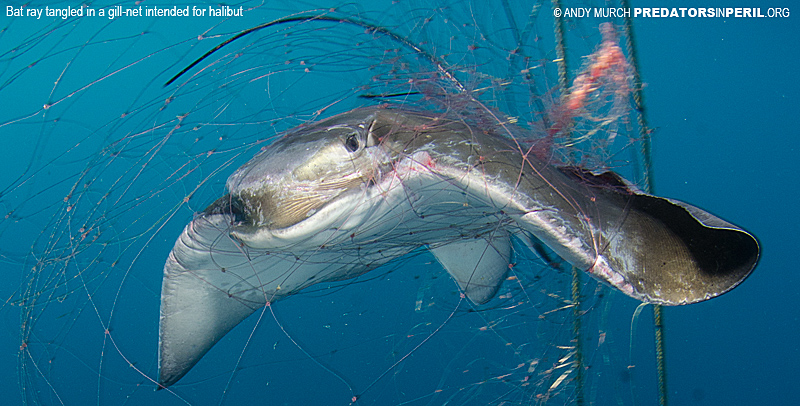
images to social media sites, of shark and ray species that have been encountered or
documented. Peripheral images of the fishermen and local shark researchers and the
regions traveled through are also highlighted.
REGIONAL
CONSERVATION INITIATIVES
The images resulting from PIP Expeditions are offered in electronic format to
regional conservation organizations that are working
within the appropriate geographic region. This facilitates the
production of more inspiring educational material for inclusion in
regional conservation campaigns. Regional media companies are also solicited while in the field to
stimulate local public awareness.
NETWORK
PUBLICITY
Media
networks are invited to conduct interviews to discuss the findings of
each project.
MAGAZINE
PUBLICITY
Illustrated
articles about the plight of the subject species appear in diving magazines and every
effort is made to encourage more mainstream magazines to run
stories on PIP expeditions and conservation efforts.
SPEAKING ENGAGEMENTS
PIP Founder and Expedition Leader Andy Murch is
available for select speaking engagements.
|